Floral Seamless Vector Texture: A Practical Design Asset for Modern Creative Workflows
Designers, marketers, and creative professionals frequently seek high-quality, flexible assets that integrate smoothly into their projects. One such asset gaining traction is the Floral Seamless Vector Texture. This type of digital pattern offers a versatile solution for backgrounds, fashion prints, and decorative elements, especially when created in a blooming botanical motif with a hand-drawn aesthetic. Whether you're working on print media, digital design, or product packaging, understanding how to effectively incorporate this texture can enhance both the visual appeal and efficiency of your workflow.
Understanding the Basics of Floral Seamless Vector Texture
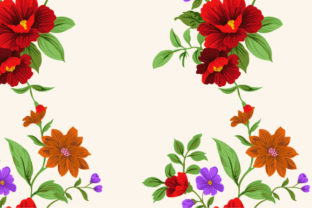
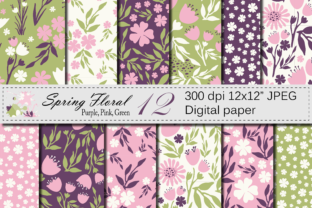
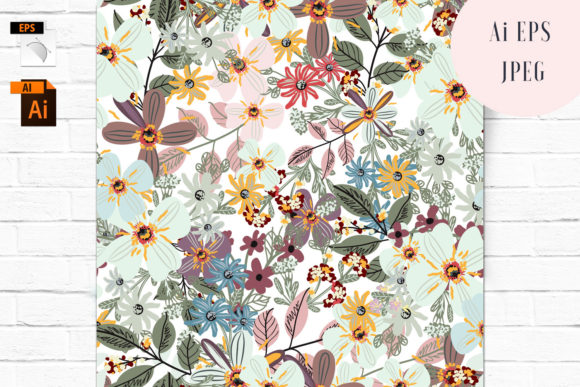
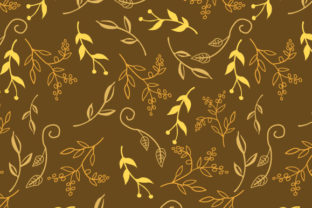
A Floral Seamless Vector Texture is a repeating design composed of botanical motifs arranged in a way that allows the pattern to tile infinitely without visible seams. Unlike raster images, vector-based textures scale without loss of quality, making them ideal for both small and large-format applications. These textures are often delivered in EPS format, ensuring compatibility with Adobe Illustrator and other vector editing software, while a JPG version offers immediate usability for those working in Photoshop or web platforms.
The inclusion of a bright blue background adds vibrancy and contrast, helping the floral elements stand out while maintaining a cohesive aesthetic. This combination of color and motif makes the texture especially suitable for spring and summer collections, lifestyle branding, and botanical-themed editorial design.
Integration into Creative Workflows
One of the most valuable aspects of the Floral Seamless Vector Texture is its adaptability across different stages of a project. Whether you're in the ideation phase or finalizing a design for print or digital use, this texture can serve multiple roles:
- Early-stage ideation: Use the texture as a background in mood boards or concept mockups to quickly visualize how botanical themes can enhance your design direction.
- Design execution: Apply the pattern as a base layer in fashion prints, stationery, or packaging. Its seamless nature ensures continuity across surfaces, especially when scaled for fabric or large-format printing.
- Final presentation: Incorporate the texture into client-facing mockups or portfolio layouts to add a polished, thematic touch.
Because the texture is provided in both vector and raster formats, it can be easily imported into a variety of design tools. This flexibility supports cross-platform collaboration, particularly when working with teams that use different software ecosystems.
Compatibility and Workflow Optimization
When working with a Floral Seamless Vector Texture, compatibility with your existing tools and processes is essential. Vector files (EPS) are best for editing and scaling, while JPG files are ideal for quick placement in presentations, websites, or social media graphics. To streamline your workflow:
- Organize your texture files within a centralized asset library for easy access.
- Label files clearly to distinguish between versions (e.g., "FloralTexture_BlueBG_Vector" vs. "FloralTexture_BlueBG_JPG").
- Test the texture at different scales to ensure it maintains visual integrity across print and digital formats.
- Consider color conversion needs if the design will be used in both RGB (digital) and CMYK (print) environments.
These steps help maintain consistency and reduce time spent troubleshooting compatibility issues later in the design process.
Use Cases Across Industries
The Floral Seamless Vector Texture isn't limited to a single industry or application. Its adaptability makes it a valuable asset in several creative fields:
- Fashion design: Use the pattern in fabric swatches or digital lookbooks to represent seasonal collections. The hand-drawn style adds a personal, artisanal touch to apparel and accessory designs.
- Graphic design: Incorporate the texture into branding materials, especially for businesses with a natural or wellness-oriented focus. It works well in brochure designs, social media templates, and website backgrounds.
- Publishing and editorial design: Apply the texture to magazine spreads or book covers to enhance visual storytelling with a botanical theme.
- Product packaging: Especially effective for organic or lifestyle products, the texture can be scaled to fit labels, boxes, and wrapping materials.
Each of these applications benefits from the texture's scalability, visual appeal, and ease of integration into existing design systems.
Quality Control and Long-Term Use
As with any design asset, maintaining quality over time is crucial. When using a Floral Seamless Vector Texture, consider the following best practices:
- Keep the original vector file as your master asset to ensure scalability for future projects.
- Archive texture variations (e.g., color variations or motif arrangements) for reuse in different contexts.
- Document how the texture was applied in previous projects to maintain consistency in brand assets or product lines.
- Periodically review your texture library to remove outdated or redundant files, ensuring an organized and efficient workflow.
By treating the texture as part of a long-term design resource, you increase its value and reduce redundant work across projects.
Conclusion: Enhancing Design Workflows with Floral Seamless Vector Texture
Incorporating a Floral Seamless Vector Texture into your creative process can elevate both the aesthetic and functional quality of your work. Whether you're designing for fashion, branding, or editorial use, this texture offers a blend of visual richness and technical flexibility. By understanding how to integrate it into your workflow—from initial concept to final output—you can streamline your design process while maintaining a high standard of quality and consistency.
As digital and print design continue to evolve, having a reliable, scalable asset like this texture ensures that your creative output remains both professional and visually engaging.