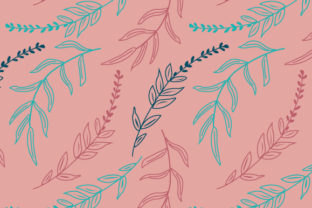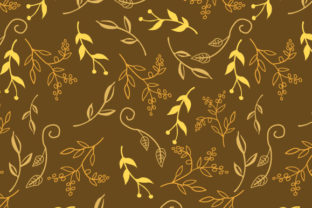
Seamless Floral Background in Small Flowers: A Versatile Design Solution for Creative Projects
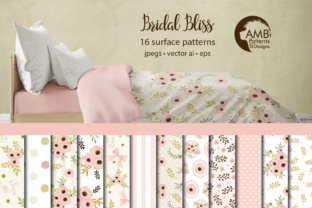
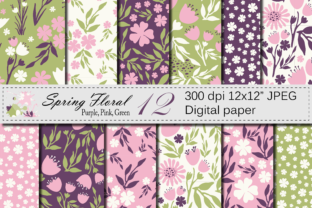
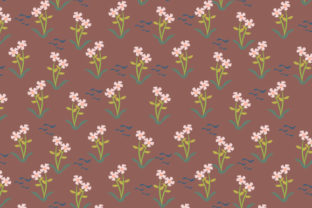
Designers, crafters, and product creators often seek patterns that balance subtlety with visual appeal. The Seamless Floral Background in Small Flowers offers a refined aesthetic that adapts across a variety of media and materials. Unlike bolder floral motifs that dominate a design, this style uses smaller, repeated floral elements to create a cohesive yet understated backdrop. Whether used in textiles, digital design, or print media, this pattern provides flexibility without overwhelming the primary subject of a layout or fabric.
Understanding the Structure and Appeal of Small-Flower Seamless Patterns
A seamless pattern, by definition, is designed to repeat without visible edges or breaks. The Seamless Floral Background in Small Flowers achieves this through careful placement of diminutive floral elements that blend into a continuous surface. This makes it ideal for applications where the background must extend across large areas without disrupting visual flow.
What sets this pattern apart from other floral designs is its ability to maintain elegance while remaining subtle. Larger floral prints often draw attention to themselves, which can be beneficial in some contexts but distracting in others. The small-flower variation strikes a balance, offering decorative value without overpowering the main content or design focus.
Comparing Seamless Floral Backgrounds with Other Design Patterns
When evaluating design backgrounds, creators often compare Seamless Floral Background in Small Flowers with other common options such as geometric patterns, abstract textures, and larger-scale floral motifs. Each has its strengths:
- Geometric patterns offer structure and modernity, often preferred in tech or corporate design.
- Abstract textures provide depth and artistic flair, suitable for backgrounds needing an organic or unpredictable feel.
- Large floral prints create bold visual statements, often used in fashion or home décor where floral themes are central.
In contrast, the Seamless Floral Background in Small Flowers works well in contexts where a soft, decorative touch is desired without making a dominant visual claim. It's particularly useful in projects requiring a gentle thematic presence, such as wedding invitations, gift wrap, or fabric for casual apparel.
Strengths and Limitations of Small-Flower Seamless Backgrounds
One of the primary strengths of this pattern is its adaptability. Because the floral elements are small and evenly distributed, the background can be applied across a wide range of design types without clashing with other visual components. It also scales well, maintaining clarity whether used in a small postcard or a large wall mural.
However, this subtlety can also be a limitation in certain applications. If the goal is to emphasize a floral theme or make a bold design statement, the Seamless Floral Background in Small Flowers may not provide the necessary visual impact. Additionally, in high-resolution print or digital formats, the fine details of the small flowers may be lost if not rendered properly, especially when printed on textured materials or viewed on low-resolution screens.
Practical Applications and Best-Fit Scenarios
This type of seamless floral background excels in environments where background aesthetics support rather than dominate the content. For example:
- Textile design – Used in cotton fabric for dresses, table linens, or quilting, the pattern adds charm without overwhelming the garment or décor.
- Paper products – Gift wrapping, greeting cards, and scrapbooking pages benefit from the gentle floral motif that enhances without overshadowing the message or photos.
- Digital interfaces – Website backgrounds or app interfaces can use this pattern to add warmth and personality without interfering with readability or navigation.
Designers working on print-on-demand products such as phone cases, tote bags, or wallpaper will find this background particularly useful due to its compatibility with both digital and physical printing methods. The inclusion of a vector EPS file ensures scalability without loss of quality, while the JPG format provides ease of use for quick digital placement.
When to Choose Alternatives
While the Seamless Floral Background in Small Flowers is versatile, it may not always be the best choice. Projects requiring a strong focal point or a more dynamic visual rhythm may benefit from alternative patterns. For instance:
- Projects needing a bold visual identity might be better suited to large-scale florals or intricate damask patterns.
- Designs for modern or minimalist aesthetics could lean toward geometric or monochrome backgrounds.
- Applications where branding or typography needs to stand out might benefit from simpler textures or solid colors that provide better contrast.
In such cases, the small-flower pattern may still be used as an accent or secondary background rather than the primary design element.
File Formats and Usability Considerations
The availability of both vector (EPS) and raster (JPG) formats enhances the usability of the Seamless Floral Background in Small Flowers. The EPS file allows for infinite scalability, making it ideal for print production where resizing is common. The JPG version offers immediate usability for digital applications, especially when working with platforms that do not support vector files.
Designers should consider their specific output needs when selecting between these formats. Vector files are essential for high-quality printing and editing flexibility, while JPG files are typically sufficient for web use and basic layout integration.
Making an Informed Choice
Choosing the right background depends on the intended use, audience, and overall design goals. The Seamless Floral Background in Small Flowers offers a balanced combination of visual appeal and functional adaptability. It's particularly well-suited for designers and creators who want to incorporate floral elements without committing to a dominant theme.
When evaluating options, consider how the pattern interacts with other design components, the resolution and material of the final output, and the emotional tone you wish to convey. In many cases, this background can serve as a reliable, elegant solution that enhances rather than competes with your creative vision.