Exploring the Beauty and Utility of Abstract Ornament Frames
Abstract ornament frames have become a popular design element in both digital and print media. Whether used in logo design, website backgrounds, or branding materials, these frames offer a unique blend of elegance and modernity. Unlike traditional ornamental frames that often rely on symmetrical, repetitive patterns, abstract ornament frames embrace asymmetry, fluidity, and artistic interpretation. This makes them ideal for creatives looking to add visual interest without overwhelming the core message of a design.
What Makes an Abstract Ornament Frame Unique?
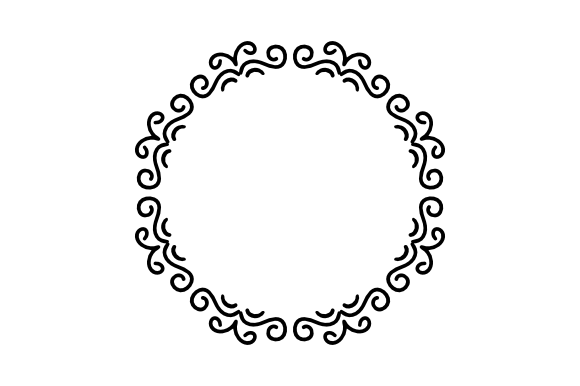
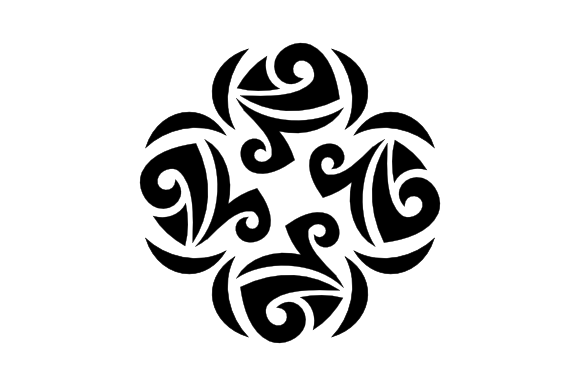
An Abstract Ornament Frame stands out due to its non-literal representation of decorative elements. Instead of relying on realistic floral motifs or classical scrollwork, abstract frames reinterpret these themes through geometric shapes, dynamic lines, and stylized forms. This allows for a more flexible application across various design contexts.
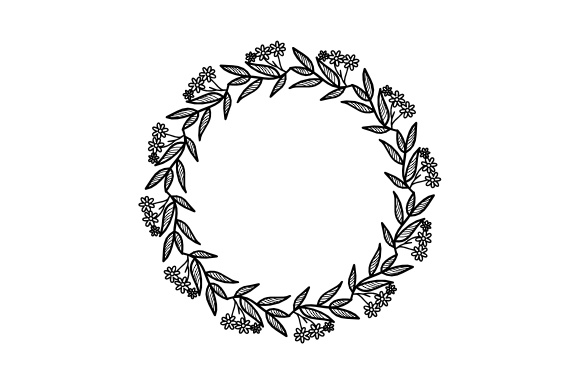
- Floral Inspiration with a Twist: While many abstract ornament frames draw inspiration from nature, especially floral designs, they reinterpret these motifs in a simplified or exaggerated way.
- Minimal Yet Impactful: These frames often balance minimalism with intricate details, making them suitable for both clean and complex design schemes.
- Symbolic Depth: The abstract nature of these frames often lends itself to symbolic interpretations, making them ideal for logos or branding materials that aim to convey deeper meaning.
Applications of Abstract Ornament Frames in Modern Design
From digital illustrations to print layouts, abstract ornament frames are incredibly versatile. Here are some of the most common applications:
1. Logo Design
Logos that incorporate an Abstract Ornament Frame can communicate sophistication and creativity. These frames help encapsulate the brand identity within a visually appealing boundary, especially for companies in creative industries such as art, fashion, or luxury goods.
2. Website Backgrounds and UI Elements
Modern websites often use subtle ornamentation to guide the user’s eye or add depth to the layout. Abstract frames can be scaled and colored to fit different sections of a webpage without competing with the main content.
3. Packaging and Product Design
In product design, especially for premium or artisanal goods, abstract ornament frames can be used to highlight specific areas of packaging or serve as a repeating pattern on labels and containers.
4. Editorial and Magazine Layouts
Magazines and editorial content benefit from the use of abstract frames to highlight feature articles or to create visually engaging spreads. These frames help maintain a consistent design language across pages.
How to Choose the Right Abstract Ornament Frame for Your Project
Selecting the right frame involves more than just aesthetic appeal. Here are several factors to consider when integrating an Abstract Ornament Frame into your design:
- Color Compatibility: Ensure the frame complements the existing color palette of your design. Neutral tones offer versatility, while bold colors can create a dramatic effect.
- Scale and Proportion: A frame that’s too large can overwhelm the design, while one that’s too small might go unnoticed. Always test different sizes in context.
- Style Consistency: Match the visual language of the frame with the overall tone of your project. For instance, a geometric abstract frame may suit a tech brand better than a floral-inspired one.
- Usage Context: Consider where the frame will be used—digital, print, mobile, or physical product—and ensure it translates well across mediums.
Integrating Abstract Ornament Frames into Branding
Branding is one of the most strategic areas where Abstract Ornament Frames can make a lasting impression. By incorporating these frames into brand assets like business cards, letterheads, and social media templates, companies can reinforce a cohesive visual identity.
For example, a wellness brand might use a frame with soft, flowing lines and botanical-inspired abstract shapes to evoke a sense of calm and nature. On the other hand, a tech startup might opt for a sleek, geometric frame to reflect innovation and precision.
When used consistently, these frames can become part of a brand’s visual signature—something that audiences begin to associate with the company over time.
Working with Abstract Ornament Frames in Design Software
Designers often use tools like Adobe Illustrator, Photoshop, or Canva to incorporate abstract ornament frames into their projects. Vector-based frames are especially useful because they can be scaled without losing quality.
- Layering: Frames can be layered behind text or images to create depth and separation in a layout.
- Opacity Adjustments: Lowering the opacity of a frame can make it more subtle and elegant without distracting from the main content.
- Customization: Many abstract frames can be edited in design software to match specific color schemes or stylistic preferences.
Designers should also consider using clipping masks or blending modes to integrate frames seamlessly with other visual elements.
Where to Find High-Quality Abstract Ornament Frames
There are numerous sources for abstract ornament frames, ranging from free stock websites to premium design marketplaces. Some popular platforms include:
- Freepik – Offers both free and premium vector frames
- GraphicRiver – A marketplace for design assets, including abstract frames
- Vecteezy – Great for scalable vector frames with abstract styles
When downloading frames, always check licensing to ensure they can be used for your intended purpose, especially in commercial projects.
Final Thoughts on Using Abstract Ornament Frames
Incorporating an Abstract Ornament Frame into your design work can elevate the visual appeal of your projects while maintaining a sense of professionalism and creativity. Whether you're designing a logo, a website, or a printed brochure, these frames offer a flexible and stylish solution for framing content in a meaningful way.
As design trends continue to evolve, abstract ornament frames remain a timeless choice for those who want to blend tradition with modernity. Their adaptability, symbolic depth, and aesthetic richness make them a valuable asset in any designer’s toolkit.