Vector Floral Pattern: A Versatile Design Asset for Creative Professionals
Designers, marketers, and content creators frequently seek visual elements that offer both aesthetic appeal and technical flexibility. Among the most valuable resources in this category is the Vector Floral Pattern—a scalable, editable design element that integrates seamlessly into a wide range of projects. Whether used as a background for branding materials, editorial layouts, or digital marketing assets, this pattern brings a touch of organic elegance without compromising on technical performance.
Understanding Vector Floral Patterns
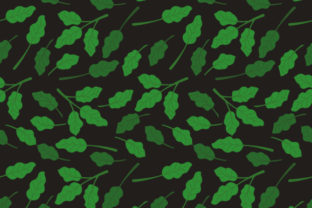
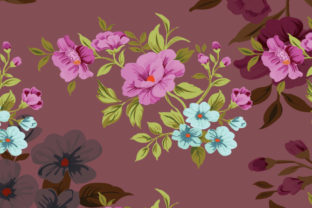
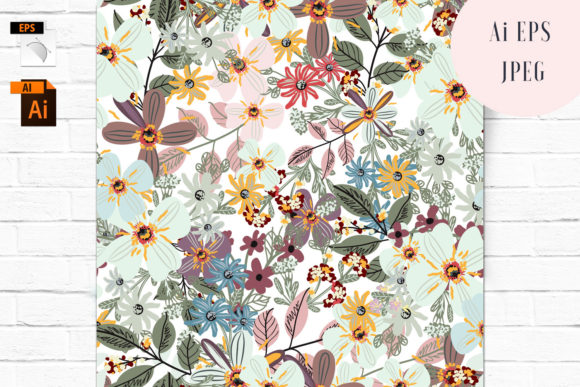
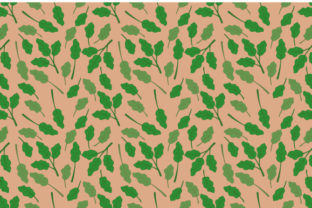
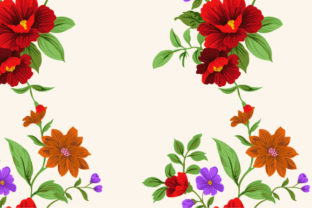
A Vector Floral Pattern is typically composed of stylized floral motifs—such as blossoms, vines, leaves, and buds—arranged in a repeating or continuous layout. Unlike raster-based graphics, vector formats allow for infinite scaling without loss of quality, making them ideal for both print and digital applications. This particular pattern often includes a combination of soft curves and natural elements, lending a gentle, spring-inspired aesthetic that appeals to a broad audience.
What sets this type of pattern apart is its adaptability. The design can be resized for anything from a business card to a large-format poster without degradation. Additionally, because it's often provided in editable formats like EPS, users can modify colors, adjust layout spacing, or extract individual elements for custom illustrations.
Key Features and Practical Advantages
- High Scalability: Vector format ensures clarity at any size, eliminating pixelation issues common in JPEG or PNG files.
- Edit-Friendly Structure: Designers can manipulate individual components such as petals, leaves, or stems using vector editing software like Adobe Illustrator or Inkscape.
- Versatile Color Customization: The layered nature of vector files allows for easy color swaps, enabling seamless integration into brand color schemes.
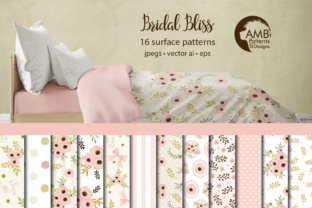
- Seamless Tiling: Many patterns are designed to repeat without visible seams, making them ideal for backgrounds in web design, packaging, or textile printing.
- File Compatibility: Typically includes both EPS (vector) and JPG (raster) versions, offering flexibility for users with different software needs.
Real-World Performance and Use Cases
In practical applications, the Vector Floral Pattern proves especially useful in projects requiring a natural, organic feel. For instance, wedding invitations, seasonal marketing campaigns, and wellness-related branding often benefit from its soft, approachable visual language. The pattern’s gentle curves and botanical elements evoke warmth and freshness, aligning well with industries such as lifestyle, beauty, education, and artisanal goods.
For digital marketers, the pattern can serve as an elegant background for landing pages or social media templates. Its vector format ensures fast loading times when converted to optimized web graphics, and its compatibility with design tools like Canva or Figma allows non-designers to incorporate it into presentations or promotional materials with minimal effort.
Print professionals also find value in its precision. Whether used for stationery, packaging, or fabric design, the vector format ensures crisp lines and accurate color reproduction across different media. This consistency is particularly important when maintaining brand integrity across multiple touchpoints.
Who Benefits Most from This Pattern?
Creatives and professionals who work across both print and digital platforms will find the Vector Floral Pattern especially useful. Here are a few key audiences who may benefit:
- Graphic Designers: Looking for high-quality, editable assets to integrate into client projects or personal portfolios.
- Marketers and Brand Managers: Needing visually cohesive templates that align with seasonal or nature-themed campaigns.
- Bloggers and Content Creators: Seeking to enhance visual storytelling with soft, elegant backgrounds for infographics or blog headers.
- Small Business Owners: Especially those in the wedding, floral, wellness, or boutique retail sectors, who want to maintain a polished aesthetic across promotional materials.
- Educators and Publishers: Creating visually engaging handouts, e-books, or course materials that benefit from a natural, calming design.
Practical Considerations and Limitations
While the Vector Floral Pattern offers many strengths, it's important to evaluate its suitability based on the specific context of use. For example, minimalist brands or tech-focused projects may find the floral aesthetic too ornate or mismatched with their visual identity. Similarly, in cases where high-contrast or bold graphic elements are needed, this pattern may not be the most effective choice.
Additionally, while the JPG version is convenient for quick use, it lacks the editability of the EPS file. Users who need to customize the design extensively should ensure they have access to vector editing software. Those without design tools may need to rely on online converters or collaborate with a designer to achieve desired results.
Recommendations for Best Use
- Test Across Backgrounds: Ensure the pattern complements rather than competes with text or other design elements, especially when used as a background.
- Adjust Color Harmony: Match the floral palette with your brand colors to maintain visual consistency.
- Use for Thematic Projects: Leverage the pattern in designs that align with themes like spring, renewal, wellness, or nature-inspired aesthetics.
- Combine with Clean Typography: Pair the organic feel of the pattern with modern, readable fonts to create balance and visual hierarchy.
- Optimize for Web: When using the JPG version online, compress the image appropriately to maintain quality while ensuring fast load times.
Final Thoughts
The Vector Floral Pattern stands out as a high-quality, adaptable design element that delivers both visual appeal and technical performance. Its combination of soft botanical motifs and scalable format makes it a valuable asset for a wide range of creative professionals. While it may not be suitable for every project, those working in lifestyle, wellness, or seasonal design will find it particularly effective. As with any design resource, the key lies in understanding how it aligns with your specific needs, audience, and brand identity. With thoughtful application, this pattern can elevate your visual communication and support a cohesive, professional aesthetic across multiple platforms.