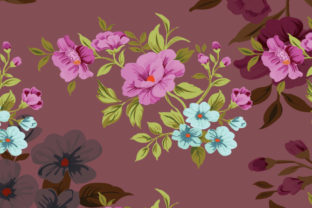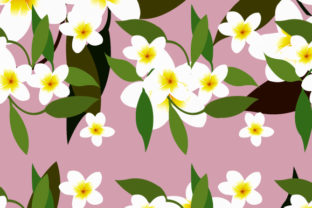
Floral Pattern Background: A Versatile Design Choice for Creative Projects
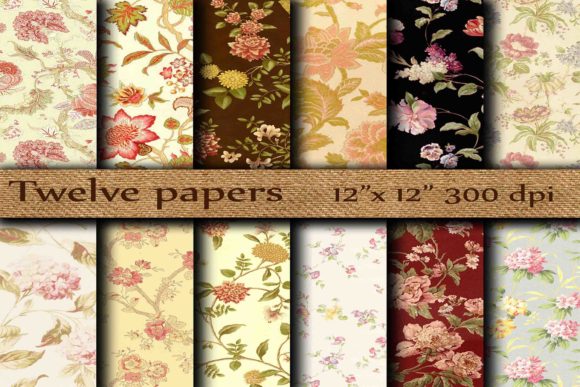
Floral pattern backgrounds have long been a staple in the world of design, offering a timeless aesthetic that blends natural beauty with artistic flair. These backgrounds typically feature repeating floral motifs that can range from delicate, small-scale blossoms to bold, intricate arrangements. What sets a floral pattern background apart is its adaptability across a wide range of applications, from textiles and wallpapers to digital graphics and print media. Whether used in fabric design for clothing or as a decorative element in scrapbooking, the floral pattern background remains a popular choice for designers and hobbyists alike.
Understanding the Structure and Appeal of Floral Pattern Backgrounds
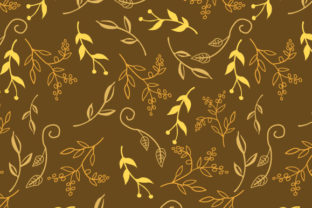
A well-designed floral pattern background is usually seamless, meaning the pattern repeats without visible seams or disruptions. This quality is essential for maintaining visual continuity, especially when the background is used across large surfaces such as fabric yardage or wall coverings. The seamless nature of these designs allows for smooth transitions and a polished appearance, making them ideal for both digital and physical applications.
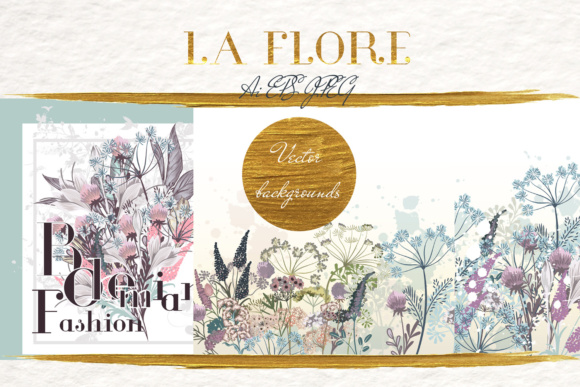
Floral patterns often incorporate a variety of botanical elements—leaves, vines, petals, and buds—arranged in a way that mimics the organic flow of nature. The color palette can vary widely, from soft pastels to vibrant hues, depending on the intended use and aesthetic preference. These patterns are often available in multiple file formats, including vector-based EPS and raster-based JPG, allowing flexibility for different design workflows.
Comparing Floral Pattern Backgrounds to Alternative Design Options
While floral patterns are widely appreciated for their elegance and versatility, they are not always the most appropriate choice for every project. When compared to geometric or abstract patterns, floral designs tend to evoke a softer, more traditional feel. Geometric patterns, by contrast, offer a modern, structured look that may better suit contemporary branding or minimalist interiors.
Similarly, solid color backgrounds provide a clean, uncluttered appearance that can be easier to work with in certain contexts, such as corporate presentations or minimalist web design. However, they lack the visual richness and storytelling potential that floral backgrounds bring to the table. In contrast, animal prints or ethnic patterns offer boldness and cultural flair, but may not be as universally appealing or adaptable as floral motifs.
Strengths and Tradeoffs of Using Floral Pattern Backgrounds
One of the key strengths of a floral pattern background is its ability to add depth and texture to a design without overwhelming the primary content. This makes it especially effective in applications such as gift wrapping, postcards, and scrapbooking, where the background enhances rather than distracts from the main subject. Additionally, the seamless format ensures that the pattern can be scaled and repeated without compromising quality.
However, there are tradeoffs to consider. Floral designs may not be suitable for projects requiring a more formal or corporate tone. Overuse of floral patterns can lead to a cluttered or outdated appearance, particularly if the design elements are not balanced with other visual components. Furthermore, while digital floral patterns are easy to manipulate in vector formats like EPS, raster versions such as JPG may lose quality when scaled up, limiting their use in larger print formats.
Best Fit Situations for Floral Pattern Backgrounds
Floral pattern backgrounds are particularly well-suited for projects that aim to evoke warmth, nostalgia, or a connection to nature. They are commonly used in:
- Textile design – Especially for cotton fabrics used in quilting, apparel, and home décor.
- Wallpaper and interior design – Adding a touch of elegance to living spaces, bedrooms, or boutique-style commercial interiors.
- Printed media – Including postcards, greeting cards, and calendars where a decorative background enhances the overall aesthetic.
- Craft and hobby projects – Scrapbooking, DIY cards, and handmade gift wrapping benefit from the charm and flexibility of floral motifs.
For digital designers, having both EPS and JPG files offers the advantage of scalability and compatibility. Vector files allow for resizing without loss of quality, making them ideal for logos or illustrations, while JPG files are more suitable for quick previews or web use.
When to Consider Alternatives
Despite their popularity, floral pattern backgrounds may not be the best fit for every scenario. In branding or marketing materials where a modern, sleek look is desired, minimalist or monochromatic designs might be more appropriate. Similarly, in technical or scientific contexts, overly decorative backgrounds can detract from the clarity of information.
Designers working on international projects should also consider cultural perceptions of floral motifs. In some regions, certain floral arrangements may carry specific connotations that could influence how the design is received. When in doubt, it’s often wise to test the background in the intended context or opt for a more neutral alternative.
Making an Informed Choice
Choosing whether to use a floral pattern background involves weighing several factors: the project’s tone, target audience, medium, and intended use. If the goal is to create a warm, inviting, or nostalgic feel, floral backgrounds can be an excellent choice. However, if clarity, professionalism, or a modern edge is more important, then simpler or more structured design elements may be preferable.
When selecting a floral pattern, it’s important to consider the scale of the design. Smaller floral motifs tend to be more versatile and can be layered with other design elements without becoming overwhelming. Larger, more intricate patterns may dominate the composition, making them better suited for statement pieces rather than background use.
Additionally, the color scheme should align with the overall design palette. Soft pastels may be ideal for feminine or vintage-inspired projects, while bolder colors can lend energy and vibrancy. Always test the pattern in the intended context—whether on fabric, screen, or print—to ensure it performs as expected.
Conclusion
Floral pattern backgrounds remain a popular and enduring choice for a wide variety of design applications. Their seamless construction, adaptability, and aesthetic appeal make them a valuable asset for both digital and print projects. However, like any design element, they should be selected with intention and awareness of the broader context. By understanding the strengths, limitations, and alternatives, designers and creators can make informed decisions that enhance the visual impact of their work without compromising functionality or clarity.