Floral Background: A Timeless Design Element for Modern Creatives
In today’s visually driven world, the right design element can elevate a project from ordinary to extraordinary. Among the most versatile and enduring choices is the floral background. Whether used in digital design, print media, or branding, floral patterns offer a blend of elegance, warmth, and adaptability that resonates across industries and audiences.
What Is a Floral Background?
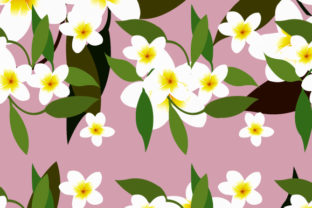
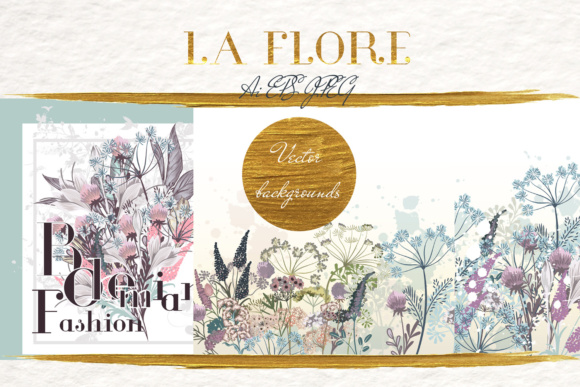
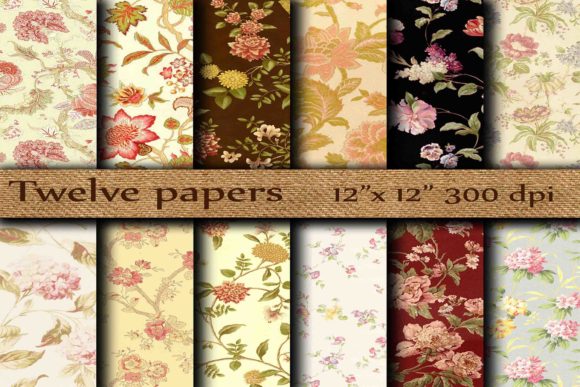
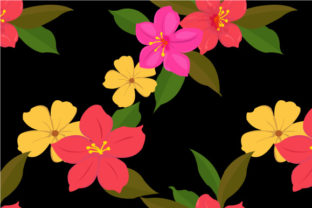
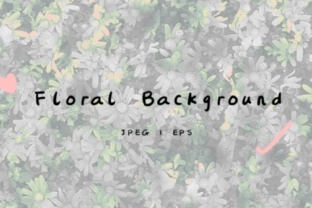
A floral background refers to a design layout that incorporates floral motifs as the primary visual component. These backgrounds can range from subtle pastel arrangements to bold, colorful patterns. The download you're considering includes both JPG and EPS formats, making it compatible with a wide range of design software and use cases—from quick digital edits to scalable vector illustrations for print.
Why Floral Backgrounds Still Matter in 2024
Despite the rise of minimalism and geometric design trends, floral backgrounds remain a popular choice. Their enduring appeal lies in their ability to evoke emotion and create atmosphere. Whether it’s a soft watercolor floral for a wellness blog or a vibrant botanical print for a fashion brand, these designs connect with audiences on a sensory level.
Moreover, as remote work and digital content creation become more common, professionals and creators are seeking tools that streamline their workflow while adding visual appeal. A ready-to-use floral background in JPG or EPS format provides a plug-and-play solution that saves time without compromising on aesthetics.
How Floral Backgrounds Fit Into Current Design Trends
Design trends in 2024 are marked by a blend of nostalgia and innovation. Retro-inspired aesthetics are making a comeback, and floral motifs—especially those that mimic vintage botanical illustrations—are a natural fit. At the same time, modern designers are reinterpreting these classic patterns with digital textures, gradients, and layering techniques to suit contemporary platforms.
Another key trend is the rise of emotional branding, where businesses aim to connect with audiences through visuals that reflect their values and personality. A floral background can subtly reinforce themes of growth, renewal, and care—especially for brands in wellness, sustainability, and lifestyle niches.
The Evolution of Floral Design in the Digital Age
Gone are the days when floral patterns were limited to wallpaper and upholstery. With the rise of digital tools and online marketplaces, designers now have access to high-quality, customizable floral backgrounds that can be adapted for any medium. The inclusion of EPS files in this download means users can scale designs without loss of quality, making them ideal for everything from social media posts to packaging design.
Additionally, the shift toward remote collaboration has increased demand for easy-to-share, reusable design assets. A floral background in JPG format can be dropped into a presentation or website mockup in seconds, while the EPS version offers flexibility for more detailed editing in Adobe Illustrator or similar platforms.
Practical Applications for Floral Backgrounds
Whether you’re a professional designer, a small business owner, or a content creator, incorporating floral backgrounds into your work can have tangible benefits. Here are a few practical uses:
- Branding and Marketing: Use floral backgrounds in promotional materials, landing pages, or email templates to create a cohesive and inviting visual identity.
- Print-on-Demand: From greeting cards to mugs, floral patterns are a top-selling choice for print products. The JPG format is ideal for uploading to print platforms like Printful or Zazzle.
- Web and UI Design: Soft floral textures can add warmth to websites or app interfaces, especially for niche markets like health, beauty, or home decor.
- Blog and Social Media Graphics: Content creators can use floral backgrounds to enhance blog headers, Instagram stories, or Pinterest boards with a consistent aesthetic.
Choosing the Right Floral Background for Your Project
Not all floral designs are created equal. The effectiveness of a floral background depends on how well it aligns with your project’s tone, audience, and purpose. Here are a few considerations:
- Color Palette: Choose a background that complements your brand colors or the mood you want to convey. Soft pastels work well for calming, feminine designs, while bold florals can make a statement in editorial or fashion contexts.
- Complexity: Busy floral backgrounds may overwhelm text or other design elements. If you’re using the image behind copy, opt for a simpler layout or apply a subtle overlay to improve readability.
- File Format: For quick use in tools like Canva or Photoshop, JPG is the go-to format. If you need to edit individual elements or scale the design for print, the EPS file will give you more control.
Real-World Examples and Recommendations
Consider a freelance blogger who wants to redesign their website. Instead of starting from scratch, they can use a floral background to quickly establish a warm, inviting tone. The JPG file can be uploaded directly to their CMS, while the EPS version can be edited for use in downloadable guides or branded templates.
Another example is a small business owner launching a new line of organic skincare products. A floral background with muted tones and natural elements can be used across product packaging, social media posts, and email newsletters to reinforce the brand’s commitment to nature and wellness.
Final Thoughts
In a world where attention spans are short and visual impact is crucial, the floral background remains a powerful design tool. Its ability to convey emotion, enhance aesthetics, and adapt to modern workflows makes it a valuable asset for designers, marketers, and creators alike. Whether you're building a brand identity, crafting digital content, or preparing print materials, a high-quality floral background in JPG and EPS formats offers flexibility, style, and timeless appeal.