Floral Wedding Invitations: A Seamless Blend of Elegance and Practical Design
Floral wedding invitations are more than just a decorative choice—they’re a meaningful part of the wedding planning process. These invitations combine aesthetic appeal with functional design, helping couples set the tone for their big day while communicating essential details to guests. Whether you're a professional designer, a small business owner offering print services, or a couple handling your own stationery, understanding how to effectively use floral wedding invitation templates can streamline your workflow and elevate your final product.
Understanding the Role of Floral Wedding Invitations
At their core, floral wedding invitations serve as the first impression of the wedding experience. They introduce the event’s theme, color palette, and overall vibe. Beyond aesthetics, they carry logistical information such as date, venue, RSVP instructions, and accommodations. The floral motif is especially popular for its timeless beauty and adaptability across different wedding styles—from rustic barn to formal ballroom.
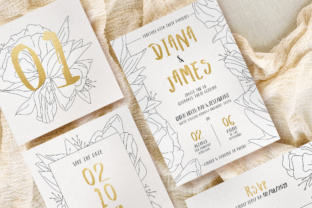
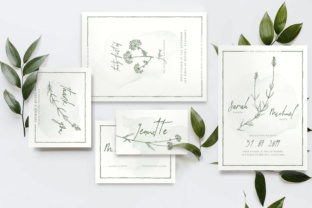
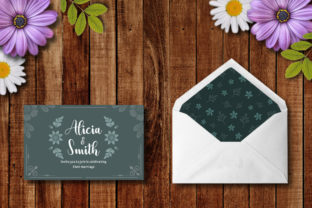
These invitations are often part of a broader suite that includes save-the-date cards, RSVP postcards, detail cards, thank-you notes, and escort cards. Each component plays a role in the guest communication process, and using a cohesive design system ensures consistency and professionalism.
How Floral Wedding Invitations Fit Into the Planning Workflow
Integrating floral wedding invitations into your planning process requires thoughtful timing and coordination. Designing and sending invitations typically falls in the middle phase of wedding planning, after major decisions like venue and date are confirmed. However, the design process itself can begin earlier, especially if you're customizing templates or working with a graphic designer.
- Pre-Design Phase: Gather inspiration, select a color scheme, and identify key floral elements you want to incorporate.
- Design Execution: Use AI, EPS, or PNG templates to create front and back designs that align with your vision and include all necessary text elements.
- Printing and Distribution: Choose a printing method—digital or offset—and decide whether to mail or hand-deliver certain pieces like escort cards.
Each step benefits from clear organization and file management, especially when working with multiple template sizes and design variations.
File Types and Format Considerations
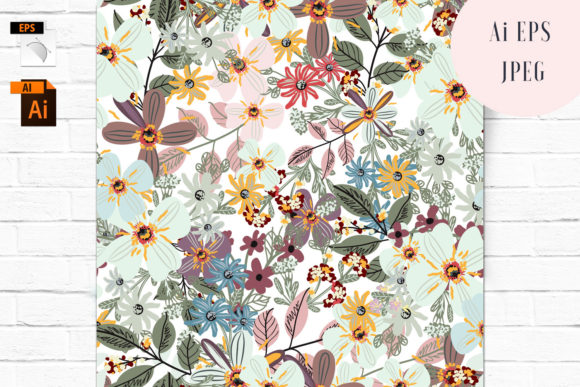
When working with digital templates, understanding the file types is crucial for maintaining quality and compatibility. AI (Adobe Illustrator) files are ideal for editing vector graphics, allowing for scalable designs without loss of resolution. EPS files are also vector-based and widely compatible with design software, making them a solid choice for printing. PNG files, on the other hand, are best for digital use due to their high quality and transparent backgrounds.
With 27 bonus background patterns included, you have flexibility in customizing each piece of your invitation suite. This variety supports both consistency and creative variation across different card types.
Practical Implementation: Matching Design to Use Cases
Different pieces in the wedding suite serve different purposes, and their design should reflect that. For example:
- Save The Date (4.25 x 5.5 inches): These are often the first to go out and should be simple yet visually engaging. A floral motif here sets expectations without overwhelming the viewer.
- Invitation (5 x 7 inches, front and back): This is your primary communication piece. It should include all key details and be visually rich enough to reflect the event’s tone.
- RSVP (5 x 3.5 inches, front and back): Designed for response, these should be clear and concise. Including a floral accent adds personality without distracting from the call to action.
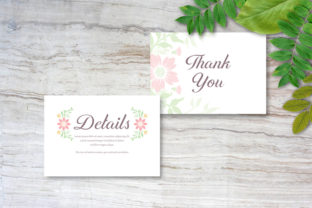
- Details Card (5 x 3.5 inches): This supports the main invitation by providing additional information such as dress code, transportation, or accommodation options.
- Thank You (5 x 3.5 inches): Sent after the event, these should maintain the same floral style as the original invitations for brand consistency.
- Escort Card (4 x 2.5 inches): These are often placed at the venue and should be easy to read while maintaining the floral theme.
Using a unified design system across all these formats ensures that each piece is both functional and aesthetically aligned with the wedding’s overall look.
Integrating With Other Planning Tools
Floral wedding invitations don’t exist in isolation—they’re part of a broader ecosystem of planning tools and platforms. Whether you're using digital RSVP systems, wedding websites, or project management apps like Trello or Asana, your invitation design should complement these tools. For instance, if you're embedding a digital RSVP form on your wedding website, the visual language of your floral theme can be subtly reflected there as well.
Additionally, if you're working with a printer or a design team, file compatibility and version control become essential. Make sure all collaborators have access to the correct file types and understand any size constraints or bleed requirements.
Ensuring Quality and Efficiency Across the Suite
One of the biggest challenges in managing a wedding invitation suite is maintaining consistency across multiple formats and designs. Here are some practical steps to help ensure quality and efficiency:
- Use a Master Color Palette: Define your primary and accent colors early and stick to them across all pieces.
- Standardize Typography: Choose one or two fonts for headings and body text and apply them consistently.
- Create a Template Folder: Store all files in a clearly labeled folder with versions marked for easy retrieval.
- Review for Accuracy: Before finalizing any design, double-check all dates, addresses, and instructions to avoid costly reprints.
- Print Test Copies: Especially if you're handling printing yourself, test a small batch first to ensure alignment and color fidelity.
These steps not only improve the final product but also reduce the likelihood of delays or miscommunication during the planning process.
Long-Term Value of a Thoughtful Design Approach
Well-designed floral wedding invitations can serve beyond the event itself. Couples often keep them as keepsakes, and digital versions can be archived for future reference. Additionally, if you're a designer or small business owner, maintaining a portfolio of cohesive, high-quality invitation suites can help attract future clients.
From a workflow perspective, developing a repeatable process for designing and producing floral wedding invitations allows for scalability. Whether you're handling one custom order or managing a template-based product line, having a structured yet flexible approach ensures consistent results and client satisfaction.
Conclusion
Floral wedding invitations are more than decorative stationery—they’re a critical component of the wedding planning and communication process. When designed thoughtfully and integrated into a broader workflow, they enhance both the guest experience and the efficiency of the planning itself. Whether you're creating them for personal use or as part of a business offering, leveraging the right tools, file types, and design principles ensures a polished, professional outcome that aligns with your vision and goals.