Floral Pattern Backgrounds: A Versatile Choice for Design and Decoration
Floral pattern backgrounds have long been a staple in design, offering a timeless aesthetic that blends elegance with natural beauty. Whether used in textiles, digital design, or printed materials, these backgrounds provide a flexible foundation that can be adapted to suit a wide range of creative needs. The seamless nature of many floral patterns makes them especially useful for applications where continuity and repetition are key, such as wallpaper, fabric printing, and web design elements.
What Makes Floral Pattern Backgrounds Unique?
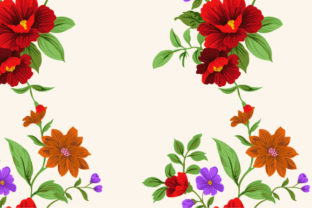
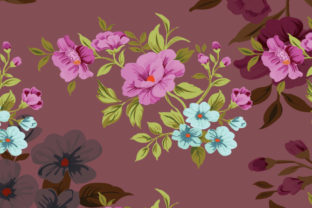
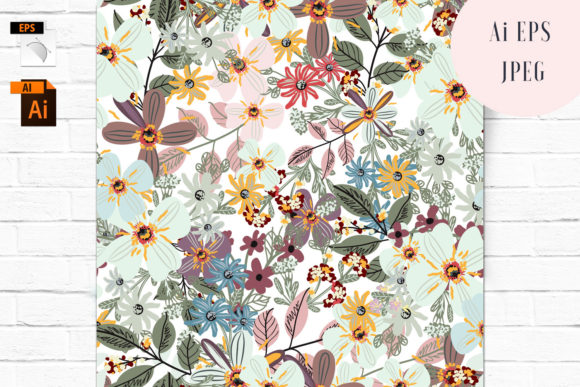
Floral pattern backgrounds are characterized by their repeated floral motifs, often arranged in a way that creates an unbroken visual flow. Unlike single floral illustrations or centerpieces, these backgrounds are designed to extend seamlessly across surfaces, making them ideal for large-scale applications. The floral elements can vary widely—from delicate blossoms to bold, tropical designs—allowing for a high degree of customization based on the intended use and audience.
One of the defining features of floral pattern backgrounds is their adaptability. They can be created in a variety of color schemes and scales, making them suitable for both subtle and dramatic design applications. The use of small flowers in particular offers a softer, more intricate look, often preferred in textiles like cotton fabric, as well as in stationery and scrapbooking projects.
Comparing Floral Pattern Backgrounds to Other Design Options
When considering background design choices, floral patterns stand out for their organic, decorative appeal. However, they are not always the best fit for every project. For instance, geometric patterns or abstract textures may be more appropriate for modern or minimalist designs, where the goal is to convey structure and simplicity rather than natural beauty.
Plain or gradient backgrounds offer a clean, uncluttered alternative that can help highlight text or focal images. These options are often favored in web design and branding materials where readability and visual hierarchy are paramount. On the other hand, floral backgrounds can add warmth and personality, making them a preferred choice in contexts like wedding invitations, boutique packaging, and home décor.
Strengths of Floral Pattern Backgrounds
- Versatility: Can be used across a wide range of mediums including print, digital, and textiles.
- Aesthetic appeal: Adds a decorative, natural element that can enhance emotional engagement.
- Customization: Available in a variety of styles, colors, and scales to suit different design needs.
- Continuity: Seamless patterns ensure smooth repetition without visible edges or breaks.
Tradeoffs and Limitations
- Visual complexity: May distract from foreground content if not balanced properly.
- Context sensitivity: Not always suitable for formal or highly technical applications.
- File compatibility: Vector formats like EPS are ideal for scalability, but may not be compatible with all editing tools.
Best-Fit Situations for Floral Pattern Backgrounds
Floral pattern backgrounds shine in projects where a soft, inviting, or nostalgic tone is desired. They are particularly effective in the following contexts:
- Textile design: Especially for cotton fabric used in clothing, quilting, and home décor items.
- Stationery and paper products: Including greeting cards, postcards, and gift wrapping where visual appeal is important.
- Scrapbooking: Offers a decorative base that complements personal photos and memorabilia.
- Interior design: As wallpaper or fabric patterns that bring a natural, uplifting feel to a space.
- Brand identity: For businesses in the lifestyle, wellness, or artisan sectors that want to convey warmth and approachability.
When to Consider Alternatives
While floral backgrounds are highly versatile, there are scenarios where alternative design approaches may be more effective. For example:
- Corporate branding: Where a more professional, streamlined look is required, simpler backgrounds or monochromatic designs might be more appropriate.
- Technical documentation: In manuals or instructional materials where clarity and minimal distraction are key.
- High-contrast digital interfaces: If the goal is to maximize readability on screens, especially for users with visual impairments.
In such cases, opting for a non-floral or minimalistic background can help maintain focus on the primary content while supporting usability and accessibility goals.
Understanding File Formats: EPS vs. JPG
When working with floral pattern backgrounds, the choice of file format can significantly impact how the design is used and displayed. Two common formats included with many floral pattern downloads are EPS (Encapsulated PostScript) and JPG (Joint Photographic Experts Group).
EPS files are vector-based, meaning they are composed of mathematical paths rather than pixels. This allows for infinite scalability without loss of quality, making them ideal for printing on large surfaces like banners or fabric yardage. They are also editable in design software such as Adobe Illustrator, which is useful for designers who want to tweak colors, adjust spacing, or integrate the pattern into larger compositions.
JPG files, on the other hand, are raster-based and composed of pixels. While they are widely compatible and easy to use for web or print applications, they lose quality when scaled up. This makes them a good choice for previewing or for use in projects where high-resolution scalability isn't a priority, such as social media graphics or digital invitations.
Practical Examples and Realistic Use Cases
Consider a small business owner designing custom gift wrap for a boutique. A seamless floral pattern in a soft pastel palette would provide a charming, cohesive look that appeals to customers looking for a personalized touch. Using the EPS file ensures the design can be printed at any size without distortion, while the JPG version allows for quick mockups on product pages.
In contrast, a graphic designer working on a corporate website might opt for a simplified geometric background to maintain a professional tone. In this case, the floral option, while beautiful, might not align with the brand's identity or user experience goals.
Another example is in scrapbooking, where floral backgrounds are often layered with photos and journaling. A seamless floral pattern in small flowers can add texture and visual interest without overpowering the page, especially when printed on high-quality paper stock.
Decision Factors to Keep in Mind
When evaluating whether to use a floral pattern background, consider the following factors:
- Audience: Does the floral aesthetic resonate with your target demographic? Younger, design-conscious audiences may appreciate it more than formal or corporate clients.
- Medium: Will the background be used digitally, in print, or on fabric? Vector formats like EPS are better for scalability, while JPGs are more accessible for quick use.
- Color harmony: Does the floral palette complement the other design elements, or will it clash or distract?
- Project tone: Is the overall mood of the project playful, romantic, nostalgic, or professional? Floral backgrounds tend to support softer, more emotive tones.
- Functionality: Is the background enhancing the user experience or potentially complicating it? For example, in web design, overly busy backgrounds can reduce readability.
Conclusion
Floral pattern backgrounds offer a compelling blend of beauty and functionality, making them a go-to option for many designers and creators. Their seamless construction allows for smooth repetition across surfaces, while their visual warmth and adaptability suit a wide range of applications—from textiles to digital design. However, like any design element, they are not universally appropriate. Understanding the strengths and limitations of floral backgrounds, along with the needs of your project and audience, will help ensure the best possible outcome. Whether you're printing fabric, designing a website, or creating personalized stationery, a well-chosen floral pattern can elevate your work while maintaining a cohesive and professional finish.