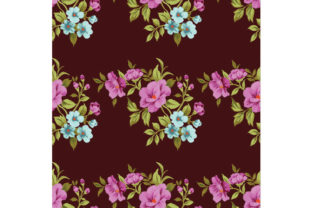
Strategic Applications of Seamless Floral Patterns in Design and Branding
Seamless floral patterns have long been a staple in visual design, offering a timeless aesthetic that can elevate textiles, digital interfaces, and printed materials. However, their value extends beyond mere decoration. When applied strategically, Seamless Floral Pattern. can support branding, enhance user experience, and reinforce visual identity across multiple platforms. This article explores how professionals—from marketers to product designers—can use Seamless Floral Pattern. intentionally to support business goals, improve creative workflows, and deliver consistent messaging.
Understanding the Strategic Value of Seamless Floral Patterns
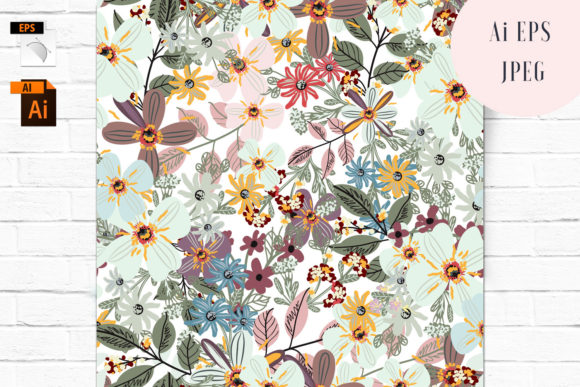
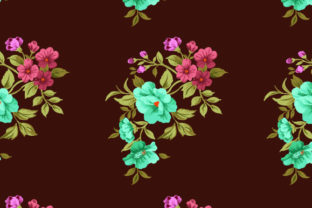
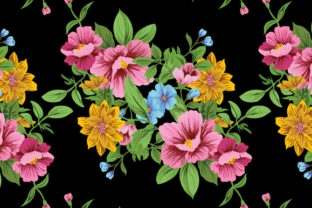
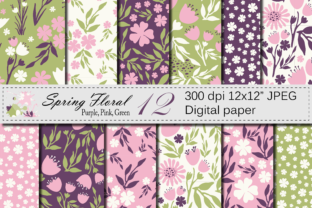
At its core, a Seamless Floral Pattern. is a repeating design that blends botanical motifs into a cohesive background. Unlike standalone illustrations, seamless patterns create continuity, making them ideal for backgrounds, fabric prints, and packaging. Their adaptability allows them to be used across industries, from fashion and home décor to digital marketing and publishing.
What makes Seamless Floral Pattern. particularly valuable is its ability to convey tone and emotion without overwhelming the viewer. A carefully chosen floral motif can communicate elegance, warmth, or playfulness—depending on color, scale, and application. For brands aiming to evoke a sense of tradition or organic growth, this pattern can become a subtle yet powerful visual anchor.
How Seamless Floral Patterns Support Branding and Communication
Branding is not only about logos and color palettes—it’s about the emotional resonance of every visual element. Seamless Floral Pattern. can reinforce brand personality when used consistently across touchpoints. For example:
- A boutique clothing brand might use a soft floral pattern on product tags and packaging to emphasize craftsmanship and natural materials.
- A wellness blog could incorporate a muted floral background in its email templates to create a calming, nature-inspired reading experience.
- Stationery companies can apply Seamless Floral Pattern. to greeting cards and wrapping paper, ensuring a unified look that aligns with seasonal themes.
These applications are not just aesthetic—they’re strategic. By embedding visual motifs that reflect brand values, businesses can create a more immersive and recognizable identity.
Planning and Positioning: When and How to Use Seamless Floral Patterns
While Seamless Floral Pattern. offers flexibility, its effectiveness hinges on thoughtful implementation. Here are key considerations for integrating it into your design strategy:
- Define the purpose: Is the pattern meant to enhance user experience, add texture to a product line, or support a seasonal campaign? Clarifying the goal ensures it's not used haphazardly.
- Consider the audience: A youthful audience may respond to bold, colorful floral designs, while a more mature demographic might prefer subtle, monochromatic versions.
- Match the medium: Seamless Floral Pattern. works well on cotton fabric, wallpaper, digital backgrounds, and print media—but each requires different scaling and color adjustments for optimal impact.
- Test for legibility: If the pattern serves as a background for text or other graphics, ensure it doesn’t compete for attention. Simplicity often enhances readability.
Maximizing Creativity and Productivity with Seamless Floral Patterns
Designers and content creators can streamline their workflow by incorporating pre-designed Seamless Floral Pattern. elements into their projects. Using a combination of vector (EPS) and high-resolution (JPG) files, professionals can scale the pattern across different formats without losing quality.
This efficiency supports creativity in two key ways:
- Time savings: Pre-made patterns reduce the need for custom illustration, allowing creators to focus on layout, messaging, and overall composition.
- Visual consistency: Reusing a core pattern across marketing materials, product packaging, and digital assets reinforces brand recognition and visual harmony.
However, to avoid generic or overused designs, it’s important to customize the pattern where possible—adjusting colors, scale, or motif density to match the brand’s unique tone.
Risks of Misusing Seamless Floral Patterns
Despite their versatility, Seamless Floral Pattern. can become a liability when used without strategic intent. Common pitfalls include:
- Overuse: Applying the same pattern across too many touchpoints can dilute its impact and make the brand feel less distinctive.
- Poor alignment: A mismatch between the pattern’s aesthetic and the brand’s identity can confuse audiences and weaken messaging.
- Lack of differentiation: Generic floral patterns are widely available—using them without customization may result in a look that blends in rather than stands out.
To mitigate these risks, treat Seamless Floral Pattern. as part of a broader visual strategy rather than a default design choice. Evaluate how it contributes to the overall experience and whether it supports your brand’s unique positioning.
Long-Term Value: Building a Pattern-Based Visual Language
For businesses and creators aiming to build long-term brand equity, Seamless Floral Pattern. can be more than a decorative element—it can become part of a visual language. Over time, consistent use of a signature pattern can become associated with your brand in the same way that certain colors or typography styles are.
Consider the following long-term applications:
- Seasonal campaigns: Modify the color scheme of your base pattern to reflect seasonal themes while maintaining visual continuity.
- Product line extensions: Use the same floral motif across different product categories (e.g., textiles, stationery, packaging) to create a cohesive product ecosystem.
- Content marketing: Apply Seamless Floral Pattern. to blog graphics, infographics, or social media templates to reinforce a unified visual identity.
By embedding the pattern into your brand’s visual DNA, you create a subtle but memorable design signature that evolves with your business.
Practical Implementation: Tools, Formats, and Best Practices
Seamless Floral Pattern. typically comes in two formats: vector (EPS) and raster (JPG). Each serves a specific purpose:
- Vector (EPS): Ideal for scaling without loss of quality, especially useful for large-format printing or digital illustrations.
- JPG: Suitable for web use, social media, and digital assets where high resolution is needed but vector editing isn’t required.
To maximize utility:
- Store the pattern in a centralized design library for easy access across teams.
- Create variations (light, dark, cropped) to suit different applications.
- Document usage guidelines to ensure consistency in branding and marketing materials.
These steps help ensure that Seamless Floral Pattern. remains a strategic asset rather than a one-off design element.
Conclusion: Using Seamless Floral Patterns with Intention
Seamless Floral Pattern. is more than a decorative tool—it’s a strategic design asset that, when used thoughtfully, can enhance branding, streamline creative workflows, and support long-term visual consistency. Whether you're designing a product line, crafting a marketing campaign, or building a digital presence, the key lies in intentional application. Align the pattern with your brand’s voice, test its effectiveness across mediums, and refine its use over time to ensure it contributes meaningfully to your overall strategy.
By treating Seamless Floral Pattern. as part of a broader design system rather than an isolated visual flourish, you unlock its potential to support communication, creativity, and customer engagement in a way that’s both practical and enduring.