Simple Frame Vector, Wedding, Floral, Batik, Vintage: A Timeless Design Combination
Understanding the Elements of Simple Frame Vector, Wedding, Floral, Batik, and Vintage Design
The term Simple Frame Vector, Wedding, Floral, Batik, Vintage refers to a design aesthetic that blends minimalistic framing with intricate floral motifs, traditional batik patterns, and vintage charm. Each component contributes to a cohesive and elegant visual style that appeals to those seeking a balance between modern simplicity and historical richness.
- Simple Frame Vector typically refers to clean, scalable graphics used in digital design, often emphasizing geometric or minimal borders.
- Wedding design elements are centered around romantic, celebratory themes, often incorporating soft color palettes and delicate typography.
- Floral designs bring in botanical motifs, symbolizing growth, beauty, and nature, often used to evoke a soft, organic feel.
- Batik is a traditional Indonesian wax-resist dyeing technique that results in intricate, symbolic patterns.
- Vintage style evokes nostalgia, often using sepia tones, distressed textures, and retro typography.
Together, these elements create a design language that is both versatile and deeply expressive. This style is commonly used in wedding invitations, branding materials, and editorial design where a touch of heritage and elegance is desired.
How Simple Frame Vector, Wedding, Floral, Batik, Vintage Stands Out
Compared to more modern or minimalist design styles, the Simple Frame Vector, Wedding, Floral, Batik, Vintage approach offers a richer visual narrative. It stands apart from flat design, which often strips away texture and depth, and differs from maximalist trends that lean heavily on bold colors and chaotic layouts.
What makes this combination unique is the way it integrates traditional craftsmanship—like batik—with modern digital tools such as vector graphics. The result is a design that feels both contemporary and timeless. Unlike purely vintage or purely modern styles, this hybrid approach allows for a more nuanced expression that can adapt to various projects.
Comparing with Similar Design Approaches
When compared to purely floral design, the addition of batik patterns and vintage textures brings cultural depth and a sense of history. In contrast to modern geometric framing, which often feels stark or industrial, the simple frame vector element in this style adds structure without overwhelming the viewer.
Similarly, while retro design often relies on 70s or 80s aesthetics, the Simple Frame Vector, Wedding, Floral, Batik, Vintage style draws from a broader cultural palette, especially through the inclusion of batik—a textile tradition with roots in Indonesia and Southeast Asia. This makes it a more globally inspired option than many other vintage styles.
It also differs from rustic or hand-drawn illustrations, which emphasize imperfection and spontaneity. Instead, this design style maintains a level of polish and precision through the use of vector-based framing, making it ideal for both print and digital media.
Strengths and Tradeoffs of the Style
One of the major strengths of the Simple Frame Vector, Wedding, Floral, Batik, Vintage style is its versatility. It can be adapted for use in wedding stationery, packaging design, brand identity, and even digital interfaces. The integration of batik patterns adds a cultural dimension that can appeal to audiences looking for authenticity and storytelling in visual design.
However, this style may not be suitable for every project. For instance, if a design needs to feel ultra-modern or tech-forward, the vintage and batik elements might feel out of place. Additionally, because of the detailed nature of batik and floral motifs, the design can become visually busy if not balanced properly with the simplicity of the frame vector element.
Another tradeoff is that this style may require more design expertise to execute effectively. Combining so many elements without overwhelming the viewer takes a careful hand. Designers must balance texture, color, and layout to ensure clarity and aesthetic harmony.
Best Fit Situations for This Design Style
This style works exceptionally well in wedding-related design projects, particularly for couples who want a theme that reflects cultural heritage or a romantic, timeless aesthetic. It’s also ideal for brands that want to convey a sense of tradition and craftsmanship, such as artisanal product packaging or boutique branding.
In editorial design, this style can be used to add a touch of elegance to magazine spreads or book covers. It also translates well into digital media, such as social media templates or website banners, especially for lifestyle, fashion, or wellness niches.
If you're designing for a global audience with an appreciation for multicultural artistry, incorporating batik into a simple vector frame can make your visuals stand out while remaining accessible and modern.
When to Consider Alternatives
While the Simple Frame Vector, Wedding, Floral, Batik, Vintage style is rich and expressive, it may not be the best choice for every project. If your goal is to communicate speed, innovation, or minimalism, consider simpler styles like flat design or modernist layouts.
For projects targeting a younger or more casual audience, this design style may feel too formal or traditional. In such cases, a more playful or contemporary approach—like neon gradients or bold typography—might be more effective.
If your design needs to be highly functional or information-dense, such as in technical documentation or user interface design, the ornate elements of this style could distract from clarity. In those cases, a cleaner, more utilitarian layout would be preferable.
Practical Examples and Comparisons
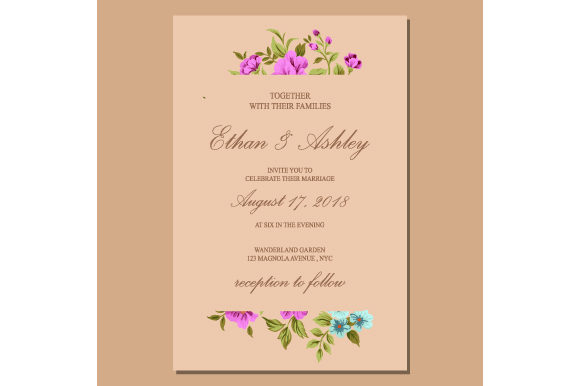
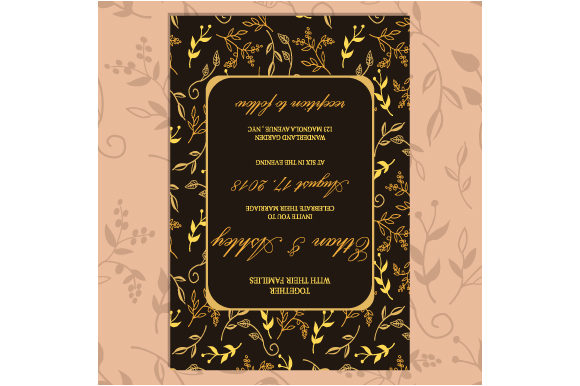
Consider a wedding invitation that uses a simple frame vector border to contain a floral motif interwoven with batik-inspired patterns in sepia tones. This design would feel romantic and personal, yet grounded in cultural tradition. Compare this to a minimalist invitation with only a sans-serif font and white space—it may feel modern, but it lacks the emotional depth and uniqueness that the Simple Frame Vector, Wedding, Floral, Batik, Vintage style offers.
Another example is a coffee brand that wants to emphasize its artisanal roots. Using this design style for packaging would allow the brand to showcase a vintage feel with floral accents and a batik-inspired border, all framed by a clean vector layout. In contrast, a purely modern design using geometric shapes and neon colors might appeal to a different audience but wouldn’t communicate the same warmth or heritage.
For digital use, a wellness blog might use this style for featured images—combining soft floral elements with vintage textures and a simple vector frame to create a calming, elegant aesthetic. This would contrast with a high-contrast, dynamic layout that uses bold colors and sharp lines, which might feel more energetic but less soothing.
Key Decision Factors
When deciding whether to use the Simple Frame Vector, Wedding, Floral, Batik, Vintage style, consider the following factors:
- Audience: Does your audience appreciate tradition, craftsmanship, or cultural storytelling?
- Purpose: Is the design meant to evoke emotion, nostalgia, or sophistication?
- Medium: Will the design be used in print, digital, or both? Some textures may need to be adjusted for optimal screen display.
- Complexity: Do you have the design expertise to balance multiple elements without visual clutter?
- Brand Identity: Does this style align with your brand’s values of heritage, elegance, or authenticity?
By weighing these considerations, you can determine whether this design style will enhance your project or if another approach would be more appropriate.
Conclusion
The Simple Frame Vector, Wedding, Floral, Batik, Vintage design style offers a compelling blend of modern structure and traditional beauty. It's ideal for projects that require emotional depth, cultural richness, and a touch of elegance. While it may not be suitable for every context, when used thoughtfully, it can elevate a design from ordinary to extraordinary. Whether you're planning a wedding, building a brand, or creating editorial content, this style can help you connect with your audience in a meaningful and visually engaging way.