Floral Pattern in Vintage: Timeless Elegance for Modern Creatives
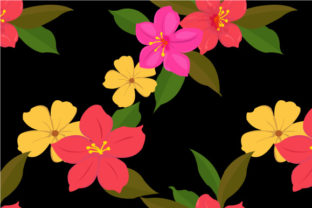
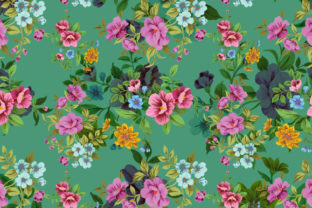
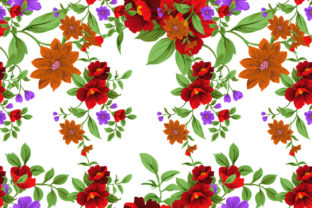
Floral Pattern in Vintage blends the charm of bygone eras with the flexibility of modern design. Whether you're crafting a website, packaging, or printed material, this seamless pattern offers a decorative yet functional base that resonates across styles and platforms. The Vintage Floral design features soft curves, muted tones, and intricate botanical motifs that evoke nostalgia without feeling outdated. Its abstract elegance makes it a versatile choice for creators seeking a refined aesthetic with a touch of history.
Understanding the Vintage Floral Aesthetic
Vintage floral patterns are more than just pretty backgrounds—they carry a sense of narrative and craftsmanship. The Floral Pattern in Vintage draws from historical design movements like Art Nouveau and Victorian botanical prints, yet adapts easily to contemporary layouts. This seamless design works in both digital and print formats, thanks to its scalable vector EPS and high-resolution JPG formats. Whether used subtly as a texture or boldly as a focal point, it brings warmth and character to any visual project.
Creative Possibilities with Vintage Floral Patterns
Designers can interpret the Floral Pattern in Vintage in countless ways. Here are a few creative applications to spark your next project:
- Branding and Packaging: Use the pattern as a background for product labels, gift tags, or stationery to evoke a sense of heritage and trust.
- Web and UI Design: Apply the JPG version as a background texture for landing pages or blog headers to add depth without overwhelming the content.
- Print Media: Incorporate the EPS file into posters, invitations, or editorial layouts for a timeless visual layer.
- Fashion and Textile Design: Repurpose the pattern into fabric prints or digital mockups for apparel and home décor.
How to Style Vintage Floral for Different Tastes
The beauty of Floral Pattern in Vintage lies in its adaptability. By adjusting color overlays, contrast, or layering techniques, you can tailor it to fit various aesthetics:
- Romantic: Pair with soft pinks, golds, and cursive typography for weddings or boutique branding.
- Minimalist: Desaturate the pattern and use it as a subtle background behind clean, modern typography.
- Retro: Combine with distressed textures and bold typography for a 70s-inspired design.
- Ethereal: Overlay with soft gradients or light leaks for a dreamy, editorial look.
Who Can Benefit from Vintage Floral Design?
The Floral Pattern in Vintage appeals to a wide range of creative professionals and hobbyists. Here’s how different users can apply it effectively:
- Graphic Designers: Enhance branding kits, social media templates, or print collateral with a touch of elegance.
- Bloggers and Content Creators: Use the pattern in infographics, quote images, or story templates to elevate visual storytelling.
- Marketers: Add a vintage feel to promotional materials, landing pages, or email headers for a nostalgic emotional hook.
- Entrepreneurs: Small business owners can use the design in packaging, product photography backdrops, or shop signage.
- Artists and Illustrators: Layer the pattern under digital illustrations or use it as a base for mixed-media projects.
Design Tips for Using Floral Pattern in Vintage
To make the most of this elegant design element, consider the following practical tips:
- Balance is key: Let the pattern support your content rather than dominate it. Use white space and contrast to keep the layout readable.
- Match your audience: A floral vintage pattern may not suit a tech startup’s branding, but it could be perfect for wellness, fashion, or artisanal brands.
- Stay consistent: If you're using the pattern across multiple assets, maintain consistent color schemes and layout structures.
- Optimize for format: Use the EPS file for scalable illustrations and the JPG for web-ready visuals to ensure quality across platforms.
Inspiration for Real-World Projects
Looking for practical ideas to integrate the Floral Pattern in Vintage into your work? Here are a few real-world examples:
- Wedding Invitations: Use the pattern as a background for digital or printed invites, paired with gold foil accents and elegant calligraphy.
- E-commerce Product Pages: Apply a lightly desaturated version as a background for boutique fashion or artisanal product photography.
- Editorial Layouts: Integrate the pattern into magazine spreads or book covers for a touch of historical flair.
- Social Media Templates: Create cohesive Instagram stories or Pinterest pins using the pattern as a unifying visual theme.
How to Customize and Personalize the Pattern
Don’t feel limited to the original color scheme or layout. The Floral Pattern in Vintage can be customized to fit your unique vision:
- Color adjustments: Use design software to recolor the pattern to match brand guidelines or seasonal themes.
- Layering: Blend the pattern with textures like linen, marble, or parchment for a more complex visual effect.
- Cropping and tiling: Experiment with different tiling options or crop sections of the pattern to create unique focal points.
- Combining with other elements: Overlay icons, typography, or modern graphics to create a fusion of old and new aesthetics.
Why Vintage Floral Patterns Stand the Test of Time
Floral Pattern in Vintage endures because it speaks to a universal sense of beauty and nostalgia. It offers a timeless visual language that connects across generations. Unlike trends that fade, vintage-inspired design elements continue to resonate because they feel authentic and emotionally rich. Whether you're designing for a client or personal project, this kind of pattern adds a layer of sophistication that feels both intentional and accessible.
Final Thoughts for Creatives
Don’t overlook the power of a well-designed floral background like Floral Pattern in Vintage. It’s more than just decoration—it’s a storytelling tool, a design anchor, and a creative shortcut that brings elegance to your work. Whether you're building a brand identity, creating content, or designing for print, this pattern offers a flexible and visually rich foundation. By understanding how to apply it thoughtfully, you can elevate your designs without losing clarity or purpose.